BIO Fault Solo Dev Shares Candid First-Week Steam Sales and Seeks Community Feedback
The solo developer behind the recently launched top-down roguelike shooter, BIO Fault, has openly shared their game's initial Steam sales performance, sparking a community discussion on pricing and player retention.
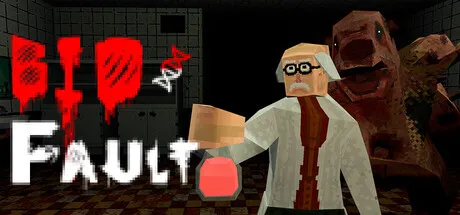
One week after the Steam launch of their debut title, BIO Fault, a solo developer has taken to the r/SoloDevelopment subreddit to share initial sales statistics and solicit feedback from the community. The candid post provides a rare glimpse into the early performance metrics of an indie game, including launch-week sales figures, wishlist growth, and refund rates, as the developer seeks to understand what constitutes a typical outcome for a first-time release.
BIO Fault, a story-driven top-down roguelike shooter, launched with an introductory 15% discount from its full price of $6.99. On its launch day, the game boasted 2,700 wishlists, a figure which has since grown to 3,271 over the course of the first seven days. While acknowledging this increase as a positive sign, the developer expressed uncertainty regarding whether the initial sales figures are “normal” for a debut game, particularly questioning if the pricing, even with the discount, might be too high for the current market.
A significant point of concern for the developer is the refund rate. They noted that a refund rate exceeding 15% is generally considered a red flag, and are exploring whether the game's price could be a contributing factor. The hypothesis is that players might be wishlisting the game for a future, deeper sale, or returning it shortly after purchase due to perceived value not aligning with the asking price.
The transparency offered by the BIO Fault developer underscores the challenges faced by solo creators in a crowded digital marketplace. The community discussion around these early figures offers invaluable insight not just for the developer in question, but for other aspiring indies navigating the complexities of Steam launches, pricing strategies, and managing player expectations.